Blog
Why Most B2B Companies Confuse Marketing Activity with Marketing Strategy
April 02, 2026

Anjali Gupta
Founder & Fractional CMO
January 29, 2026
All Blogs From Pure to Paid: The Day my AI got a media plan.
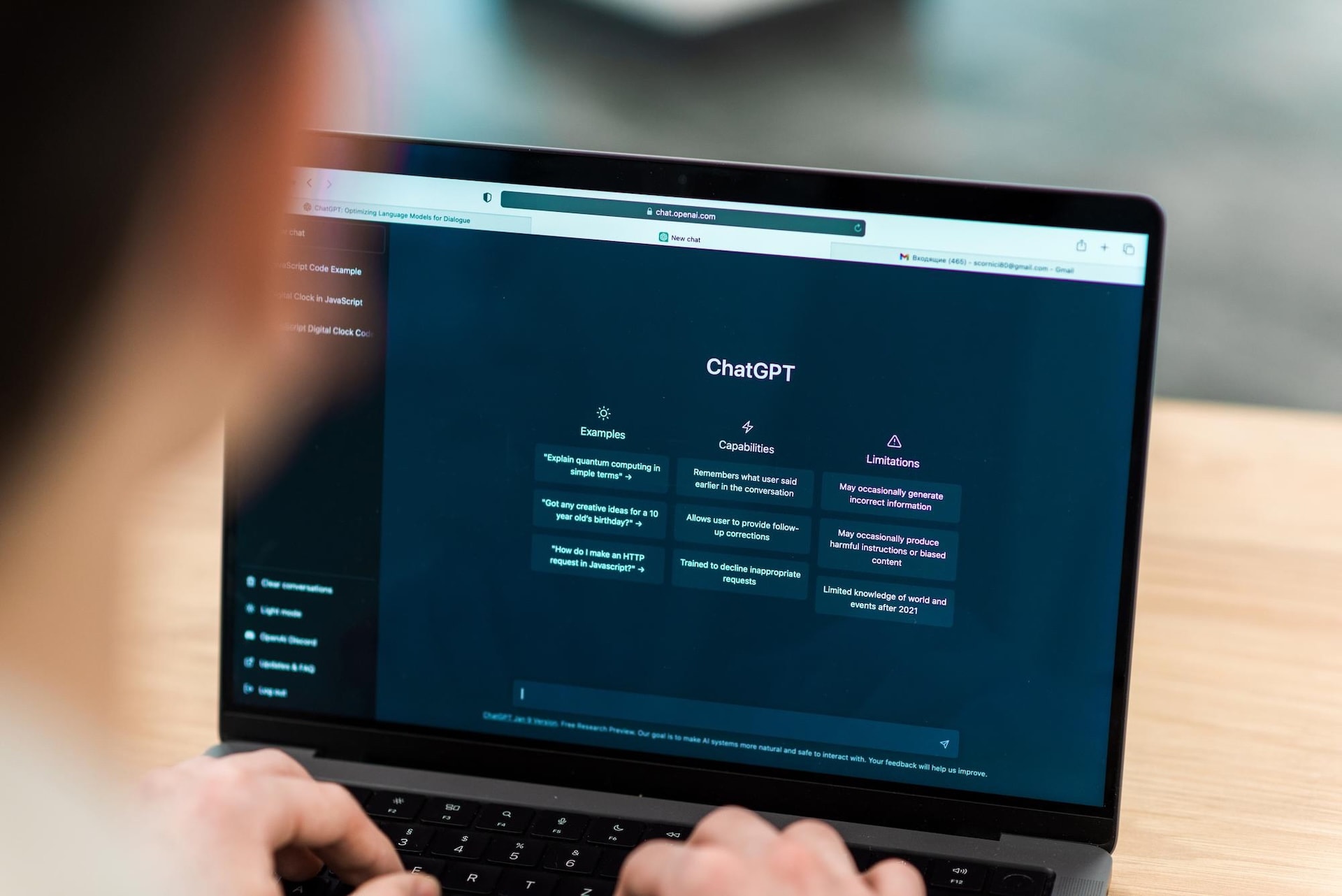
When OpenAI announced that ChatGPT would begin introducing advertising, my first reaction wasn't alarm. It was déjà vu.
We've seen this movie before.
Two decades ago, search engines entered our lives with almost monk-like restraint. Their mission was pure: organise the world's information and make it universally accessible. No agenda. No persuasion. Just relevance. They felt like public infrastructure - neutral, invisible, trustworthy. You asked. They pointed. End of story.
And then, quite reasonably, came the question: Who pays for all this?
The answer, of course, was advertising. At first, it was polite. Contained. Clearly labelled. "Sponsored results" sat neatly beside "organic" ones. The promise was comforting: ads would never influence the integrity of search itself. Over time, though, gravity did what gravity always does. An entire economy grew around visibility. Algorithms were tuned. Behaviour was nudged. SEO became an industry. "Organic" slowly stopped meaning "unbiased" and started meaning "optimised."
Today, none of us really believes that what we see online is purely neutral. We live with it. We navigate it. We've become sophisticated consumers of persuasion.
ChatGPT's move feels like that same arc - just dramatically compressed.
OpenAI is, to its credit, being careful. Ads won't influence answers. They'll appear below conversations. They'll be clearly marked. Conversations won't be sold. Paid tiers will remain ad-free. The intent is noble: keep AI accessible while funding the staggering cost of building and running these systems.
All of this makes sense. None of this is villainous. But history has a way of whispering inconvenient truths.
Search engines didn't wake up one morning and decide to become commercial machines. The shift was incremental, structural, almost invisible. Monetisation slowly reshaped the product, not out of malice but because incentives have a way of bending design. When revenue becomes oxygen, everything learns to breathe in that direction.
What makes AI different - and more delicate - is the nature of the relationship.
Search was transactional. You asked a question. You got links. ChatGPT is conversational. You think out loud. You ask for advice. You explore half-formed ideas. You confess ignorance. Sometimes you ask questions you wouldn't ask a colleague, a manager, or even Google.
It feels less like a tool and more like a thinking partner. And that changes everything.
When a system that feels intelligent, neutral, and oddly empathetic coexists with advertising, even if "separate," perception begins to shift. A suggestion feels like guidance. A product mention feels like judgment. The psychological line between help and persuasion becomes thinner than any UI divider.
OpenAI may genuinely firewall answers from ads today. But systems evolve under incentives. Search taught us that the business model eventually seeps into the product. Not because anyone is evil, but because economics is persuasive in ways humans rarely are.
Soon we will have ad-supported tiers, premium ad-free tiers, contextual placements, "relevant offers." Entire new professions will emerge around "AI visibility." We will speak of prompt optimisation the way we once spoke of page rank. Brands will ask not just "Can we be found?" but "Can we be recommended?"
And users will begin asking the same questions we already ask of search:
Is this answer truly neutral?
Is this recommendation earned or bought?
Is this insight shaped by intelligence or by incentive?
This is not an indictment. It is a pattern.
Every revolutionary interface eventually collides with the same tension: accessibility versus sustainability, purity versus scale, user trust versus commercial gravity. Search lived through it. Social media amplified it. AI is now stepping onto the same path.
What matters is not whether ads exist. It is how fiercely the boundary is protected. How visibly commerce is separated from cognition. How much agency users retain. How often product choices favour trust over monetisation.
Because once that line blurs, it rarely sharpens again.
THE END ..... OF NEUTRALITY (You think?)
January 29, 2026
How relevant and useful is this article for you?
Blog
April 02, 2026

Media and events
February 26, 2026
Podcast
February 10, 2026